
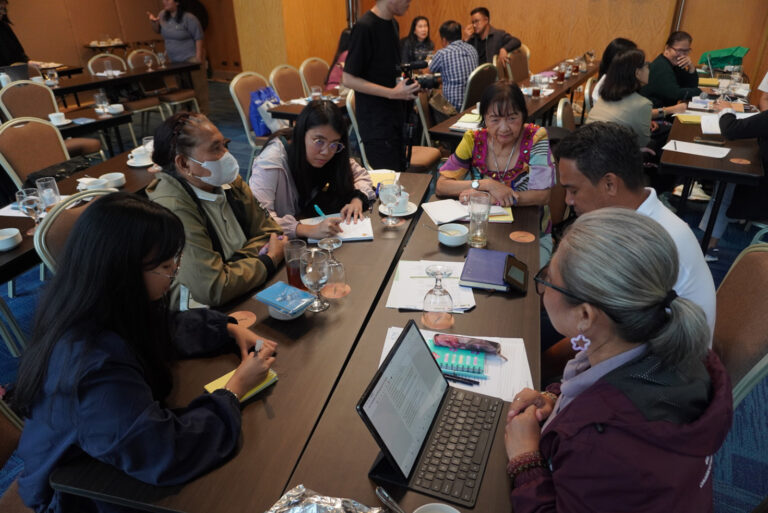
Project SHIFT: Over 40 CSOs in Luzon and Visayas Trained to Monitor and Counter Civic Threats
Over 40 civil society organizations (CSOs) across Luzon and Visayas have been equipped with vital security and threat-monitoring mechanisms following the successful rollout of regional capacity-building workshops under Project SHIFT.
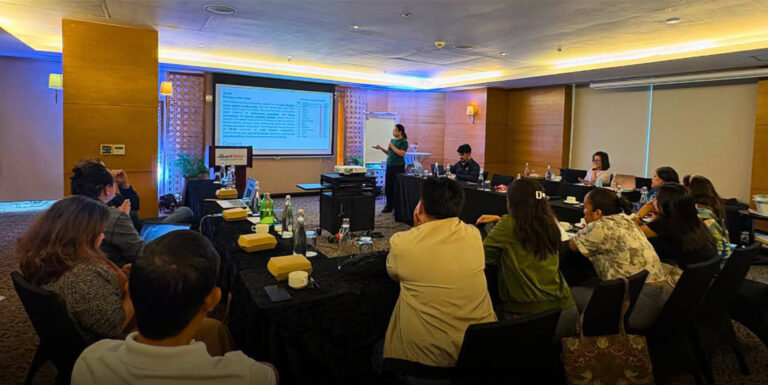
CENVISNET charts a shared path toward vibrant, resilient civil society in Central Visayas
On October 22–23, Central Visayas Network of NGOs and its member networks came together for a strategic planning workshop to assess emerging challenges, align priorities, and strengthen collaboration among provincial CSO networks.
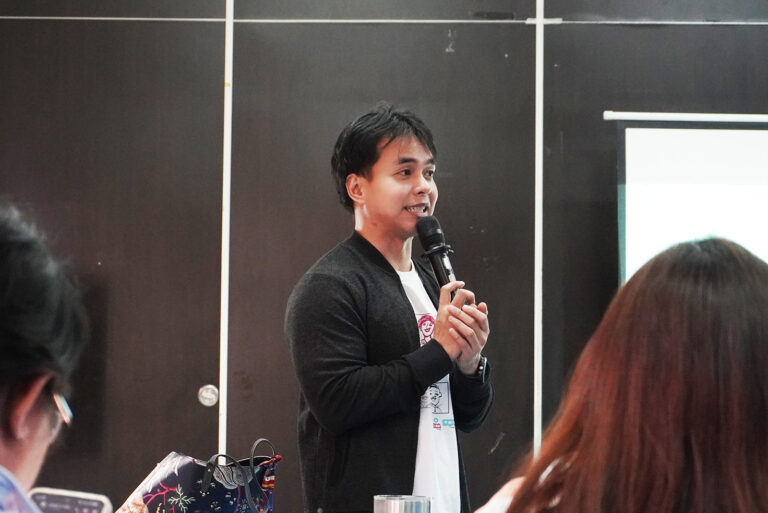
Civil society groups unite against repressive bills, call to reclaim civic space
On October 15, civil society groups gathered at the Commission on Human Rights for a roundtable discussion entitled “Asserting People’s Rights Amid Impunity and Closing of Civic Space.”
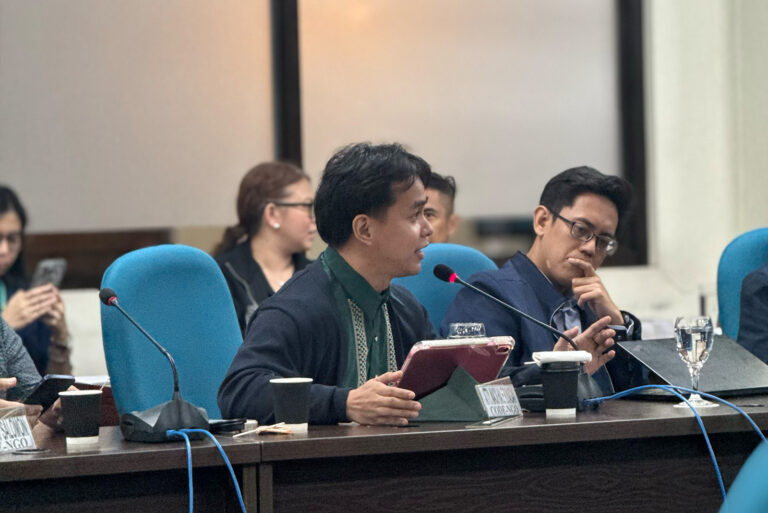
Beyond livestreams: CODE-NGO pushes for physical CSO access in House, Senate, and Bicam budget hearings
On October 7, CODE-NGO participated in the House Committee on People’s Participation hearing on the institutionalization of civil society participation in the national budgeting process. The hearing was led by its chairperson, Rep. Maria Angela S. Garcia.
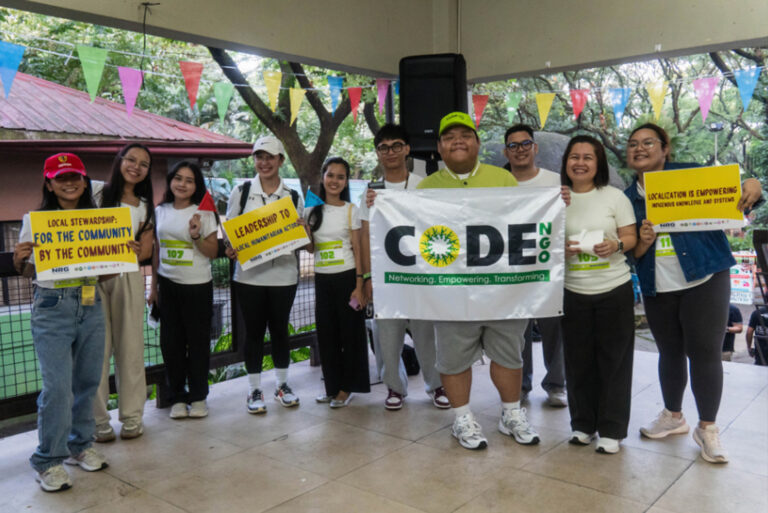
Making sure our commitments aren’t just promises on paper—they’re action on the ground
As a core member of the National Reference Group (NRG) Philippines, CODE-NGO proudly joined civil society leaders, humanitarian actors, and development partners at the Walk Our Talk: From Commitments to Realization of Localization of Humanitarian Action Beyond 2026, last September 27
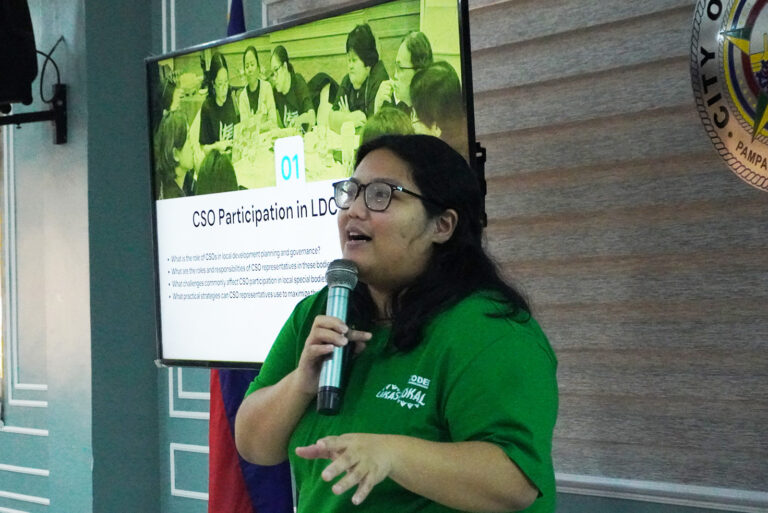
CODE-NGO empowers locals on rights-based governance at San Fernando CSO Forum
On September 17, representatives from 19 local groups gathered for the CSO Forum of the City of San Fernando–Human Rights Action Team to strengthen citizen participation in local governance.
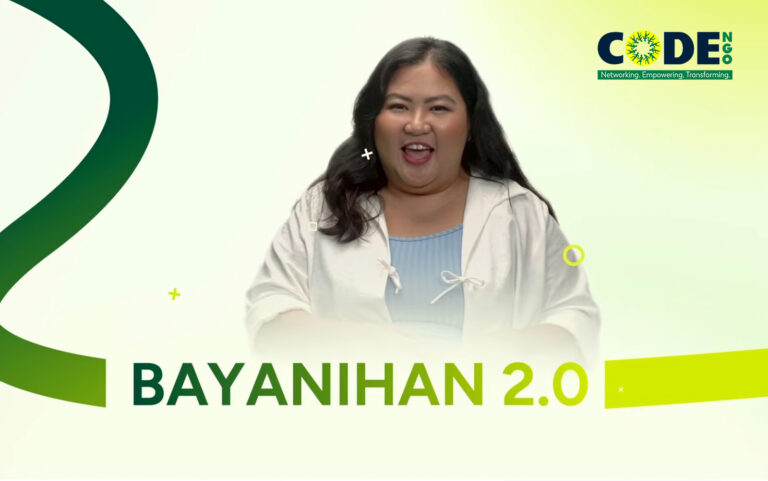
Bayanihan 2.0: CSO as Bantay, Katuwang and Boses | CODE-NGO Explainer
Bayanihan may have once meant carrying a house together, but it has since transformed to collective action towards addressing the needs of our communities and our nation. Discover “Bayanihan 2.0” and the role of Civil Society Organizations as the Katuwang, Bantay, at Boses of the Filipino people.
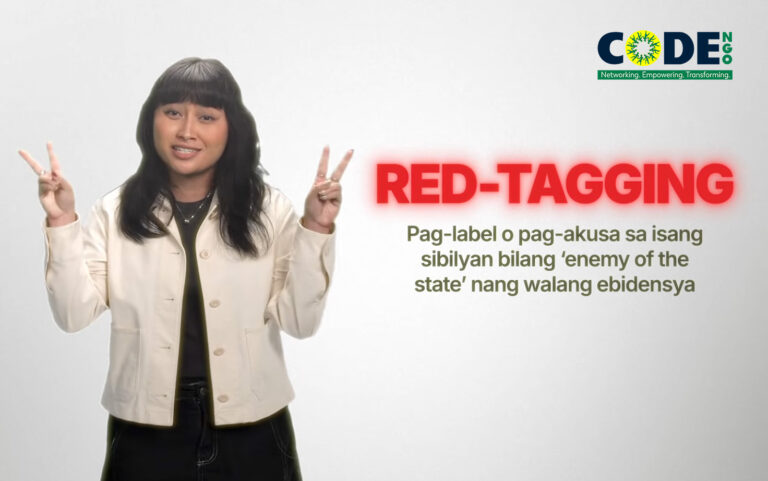
Gaano kadelikado ang red-tagging? | CODE-NGO Explainer
When speaking up on issues affecting our communities leads to being labeled as an enemy of the state, the line between advocate and combatant blurs.