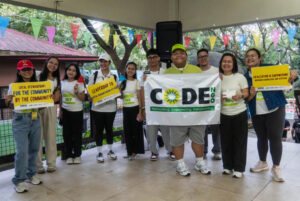
Over 40 civil society organizations (CSOs) across Luzon and Visayas have been equipped with vital security and threat-monitoring mechanisms following the successful rollout of regional capacity-building workshops under Project SHIFT.
Implemented by the Caucus of Development NGO Networks (CODE-NGO) in partnership with the Council for People’s Development and Governance (CPDG), the Defend NGO Alliance, and the Commission on Human Rights (CHR), Project SHIFT (Stop red-tagging, Hone resilience, Institute reforms, Foster trust for a Thriving democracy) confronts escalating threats to civic space.
Central to the project’s advocacy is mounting a critical pushback against the country’s “twin terror laws”—the Anti-Terrorism Act of 2020 and the Terrorism Financing Prevention and Suppression Act of 2012—along with emerging legislative measures such as the Anti-Disinformation Bill and proposals on Foreign Information Manipulation and Interference (FIMI).
Participating groups emphasized that these laws and pending bills have been systematically weaponized to tarnish, criminalize, and delegitimize genuine development work and humanitarian aid across the Philippines, underscoring the urgent necessity of enacting the Human Rights Defenders Bill.
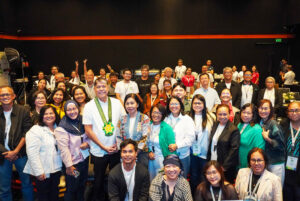
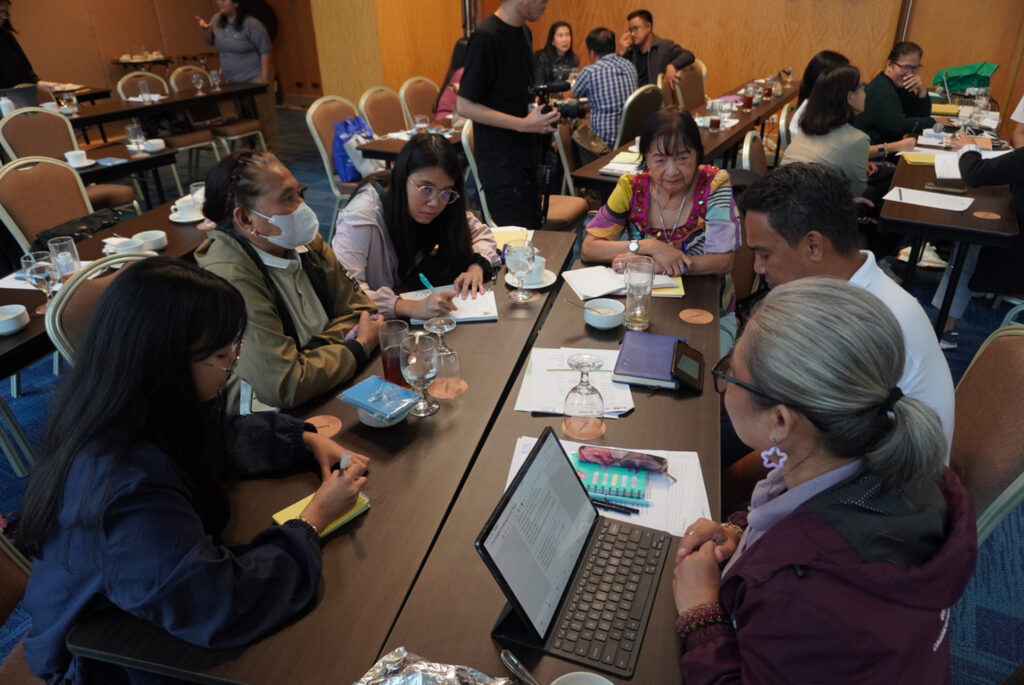
To directly address these systemic pressures on the ground, the initiative completed two regional clusters: the Luzon leg in Quezon City on September 7–8, 2026, and the Visayas leg at the Quest Hotel in Cebu City on October 1–2, 2026.
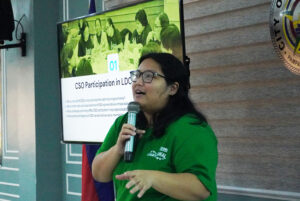
Titled the CSO Training on Monitoring, Preparedness, and Response against Civic Threats, the program trained local leaders to identify early-warning indicators, manage digital and institutional vulnerabilities, and activate emergency response protocols.
The workshops were grounded in the newly produced training guide, “Under Pressure: A Philippine Civil Society Guide to Monitoring, Preparedness and Response,” which outlines a cyclical, five-stage framework spanning organizational housekeeping, evidence preservation, threat assessment, and operational continuity.
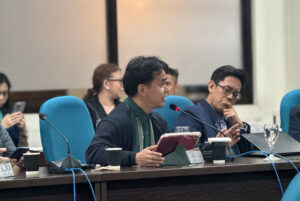
The two-day regional activities also integrated policy dialogues with legislative champions and the CHR to document grassroots testimonies on the weaponization of terror laws and push for systemic legislative reviews.
Complementing the on-the-ground workshops, Project SHIFT rolled out a targeted social media campaign to counter public disinformation and deepen community awareness of fundamental democratic rights.
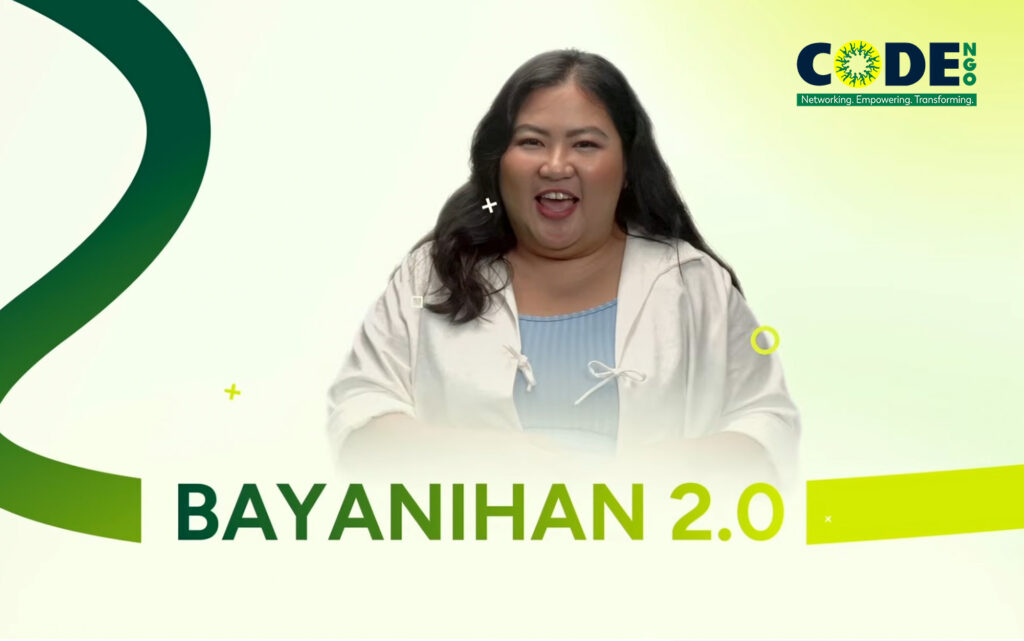
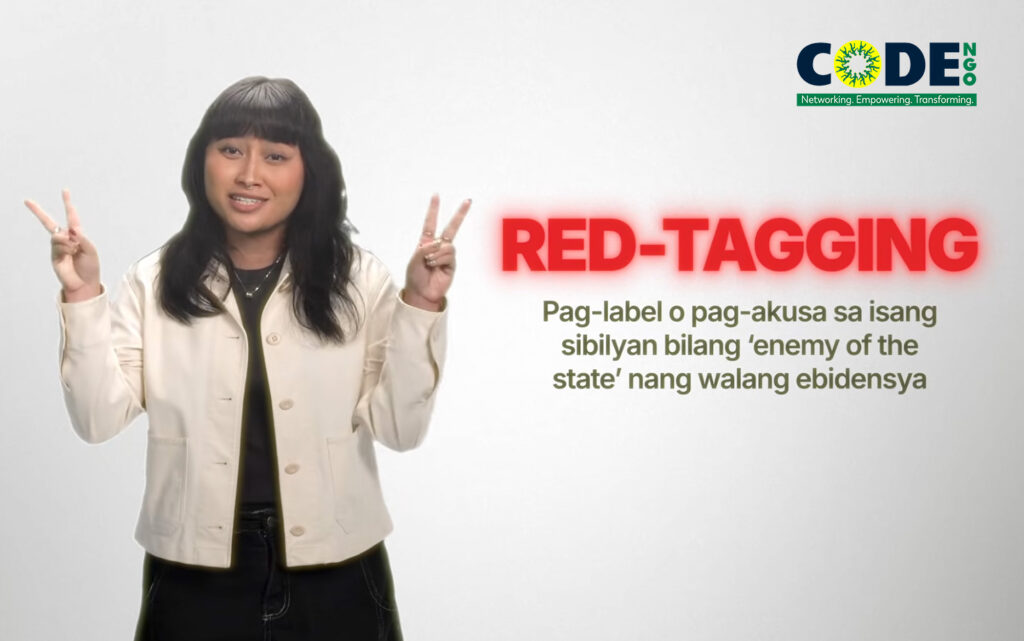
The multimedia initiative released two core video explainers: “Gaano kadelikado ang red-tagging?” which exposed the severe constitutional, legal, and physical dangers of terrorist-labeling, and *”Bayanihan 2.0: CSO as Bantay, Katuwang and Boses”*, which highlighted the indispensable role of civil society in upholding good governance, community empowerment, and a thriving democracy.