News & Stories.
News

Project SHIFT: Over 40 CSOs in Luzon and Visayas Trained to Monitor and Counter Civic Threats
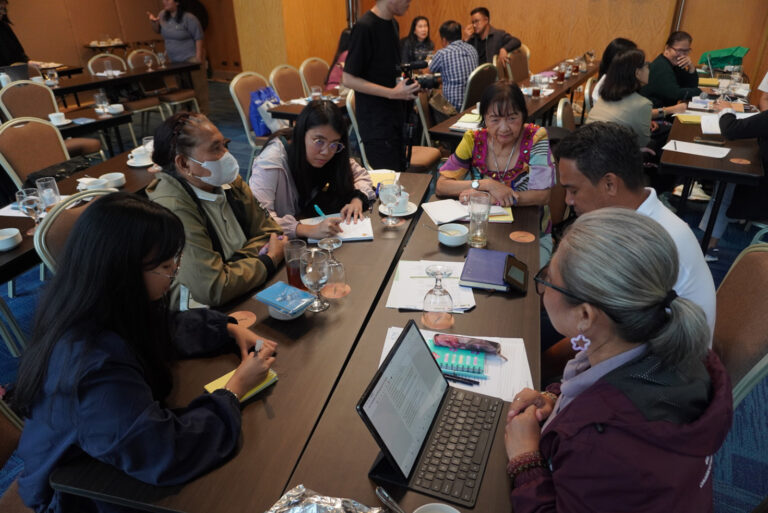
Over 40 civil society organizations (CSOs) across Luzon and Visayas have been equipped with vital security and threat-monitoring mechanisms following the successful rollout of regional capacity-building workshops under Project SHIFT.
CENVISNET charts a shared path toward vibrant, resilient civil society in Central Visayas
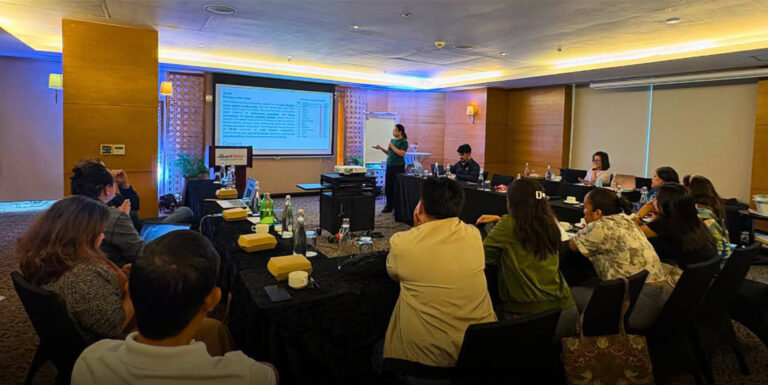
On October 22–23, Central Visayas Network of NGOs and its member networks came together for a strategic planning workshop to assess emerging challenges, align priorities, and strengthen collaboration among provincial CSO networks.
Civil society groups unite against repressive bills, call to reclaim civic space
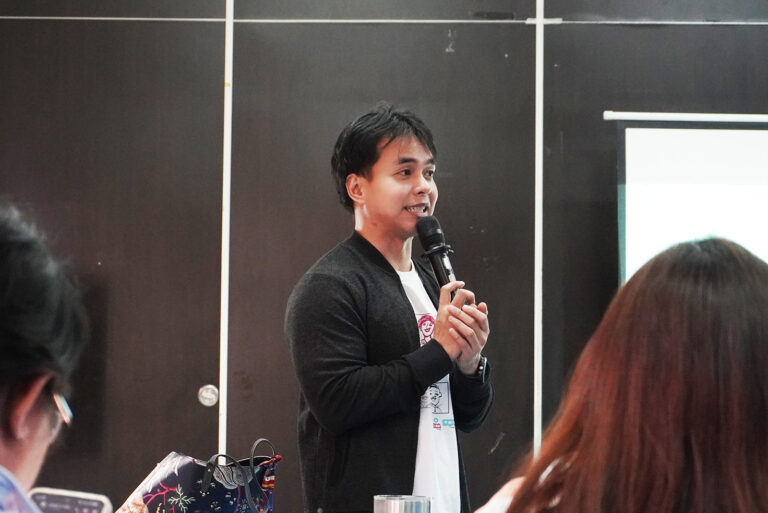
On October 15, civil society groups gathered at the Commission on Human Rights for a roundtable discussion entitled “Asserting People’s Rights Amid Impunity and Closing of Civic Space.”
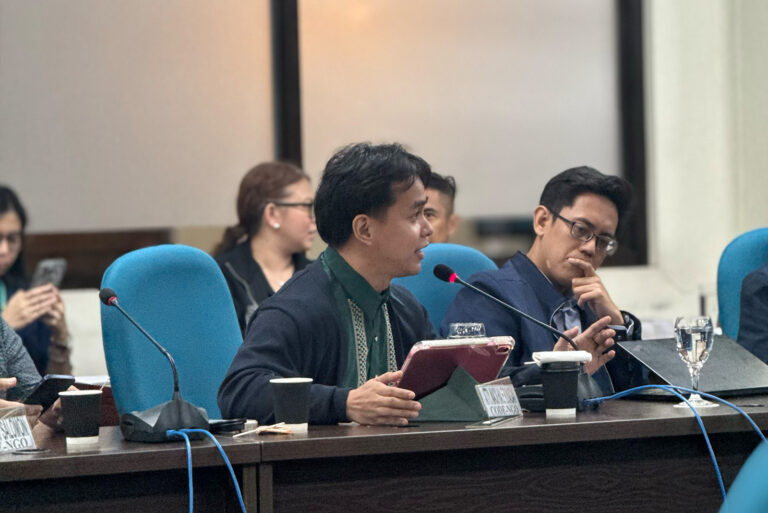
Beyond livestreams: CODE-NGO pushes for physical CSO access in House, Senate, and Bicam budget hearings
On October 7, CODE-NGO participated in the House Committee on People’s Participation hearing on the institutionalization of civil society participation in the national budgeting process. The hearing was led by its chairperson, Rep. Maria Angela S. Garcia.
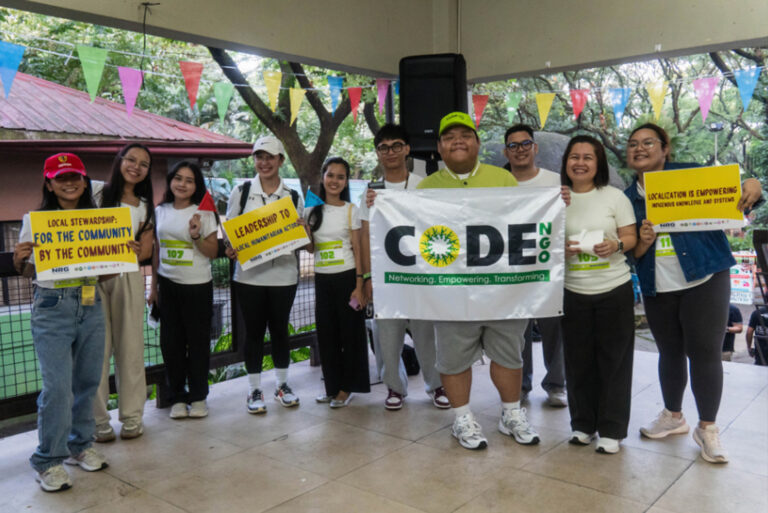
Making sure our commitments aren’t just promises on paper—they’re action on the ground
As a core member of the National Reference Group (NRG) Philippines, CODE-NGO proudly joined civil society leaders, humanitarian actors, and development partners at the Walk Our Talk: From Commitments to Realization of Localization of Humanitarian Action Beyond 2026, last September 27
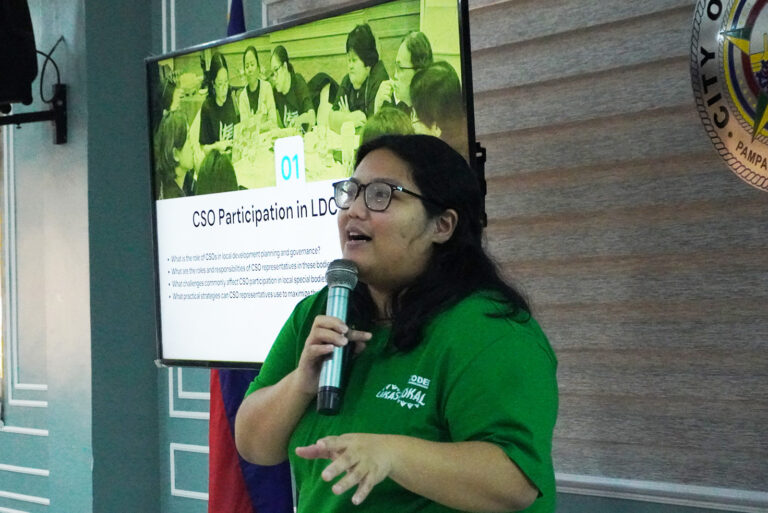
CODE-NGO empowers locals on rights-based governance at San Fernando CSO Forum
On September 17, representatives from 19 local groups gathered for the CSO Forum of the City of San Fernando–Human Rights Action Team to strengthen citizen participation in local governance.
Features
Profiling CODE-NGO’s 1,614 Member Organizations
The CODE-NGO membership database (as of 2017) encompasses 1,614 member-base organizations (MBOs) located in 79 provinces and 43 highly urbanized and independent component cities. The database contains the MBOs’ contact details, location, accreditation by LGUs, membership in local special bodies, core programs, primary beneficiaries, means of communication, etc. To facilitate data analysis, we designed a frequency table according to Primary-level Subdivisions of Local Government Units. Information on our MBOs may be filtered by (1) location, (2) membership in networks, (3) type of organization, (4) accreditation by the Sangguniang Bayan, Panlungsod or Panlalawigan, and membership in Local Development Councils (LDCs), Local
Local CSO’s Accreditation 2019 – A Marked Difference
This year’s round of accreditation of civil society organizations (CSOs) in the local Sanggunian has an important activity added to the usual activities being done every time after Philippine elections take place. At the start of the three-year term of local officials, in this case the mayors, vice-mayors and the city or municipal councilors, a process of accreditation and reconstitution of local special bodies (LSBs) will be called by the local government unit (LGU) and guided by the Department of Interior and Local Government (DILG). CSOs may apply for accreditation to the LGU where they are located. The accredited CSOs
Localization is the Key!
Two years since it was founded, the Zero Extreme Poverty (ZEP) 2030 Movement is faced with the challenge of reaching its original target of helping uplift 1 million families from extreme poverty by 2030. To date, it has mapped 16,000 families and has a presence in 70 municipalities, far from its target of covering 350 municipalities with 10 years left. Last August, the movement’s lead convenors and key local partners went into a retreat to reflect and re-strategize, with the support of the United Nations Development Programme (UNDP) Accelerator Lab initiative. CODE-NGO and member networks Philippine Business for Social Progress
Press Release
CODE-NGO Statement on Charter Change in the Time of the Pandemic: No TO CHA-CHA now, yes to Effective Health System and Economic Recovery!
The Caucus of Development NGO Networks (CODE-NGO) firmly opposes the move to amend the 1987 Philippine Constitution at this time when Filipinos are facing one of the most challenging health and economic crises in recent history. Charter Change (Cha-Cha) now only exacerbates the abject conditions of the majority of our people and will not make us safer and healthier. Many pressing issues relative to COVID 19 have not been effectively and efficiently addressed after a year of grappling with the pandemic, such as the access of vaccines and their roll-out to targeted recipients. This should be addressed first and needs
CODE-NGO Statement on COVID-19 Response
CODE-NGO, with its 6 national and 6 regional networks representing more than 1,600 development NGOs, people’s organizations (POs) and cooperatives nationwide is in solidarity with our fellow Filipinos during this time of crisis. We recognize indeed that the COVID-19 pandemic creates an emergency situation and the enhanced community quarantine in the whole of Luzon and in parts of Visayas and Mindanao forces all of us to a new reality today. We value our member networks and their member organizations, the CSO community and the communities they serve, and so in this new normal we network, empower, and transform our society
Multimedia

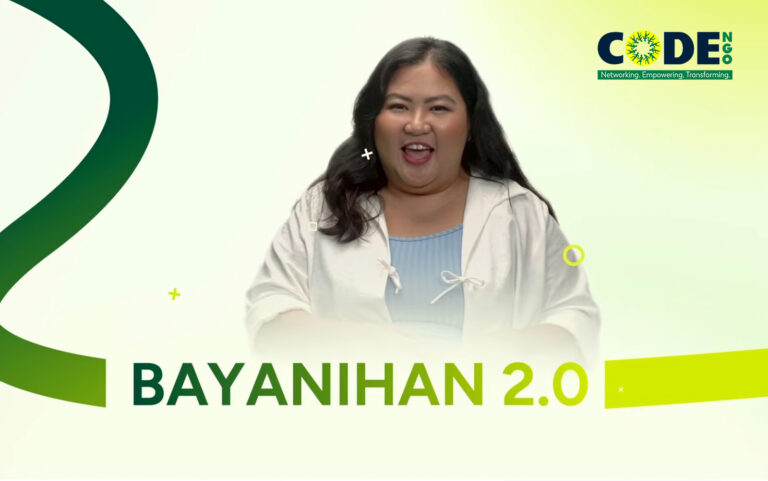
Bayanihan 2.0: CSO as Bantay, Katuwang and Boses | CODE-NGO Explainer
Bayanihan may have once meant carrying a house together, but it has since transformed to collective action towards addressing the needs of our communities and our nation. Discover “Bayanihan 2.0” and the role of Civil Society Organizations as the Katuwang, Bantay, at Boses of the Filipino people.
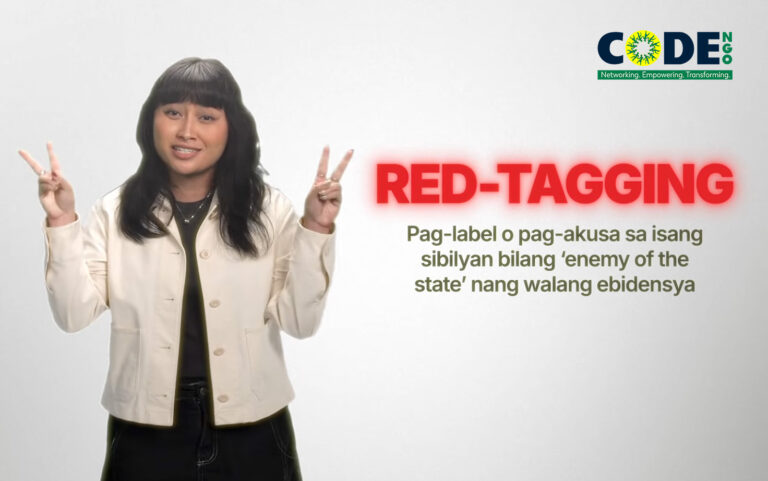
Gaano kadelikado ang red-tagging? | CODE-NGO Explainer
When speaking up on issues affecting our communities leads to being labeled as an enemy of the state, the line between advocate and combatant blurs.