News & Stories.
News

Project SHIFT: Over 40 CSOs in Luzon and Visayas Trained to Monitor and Counter Civic Threats
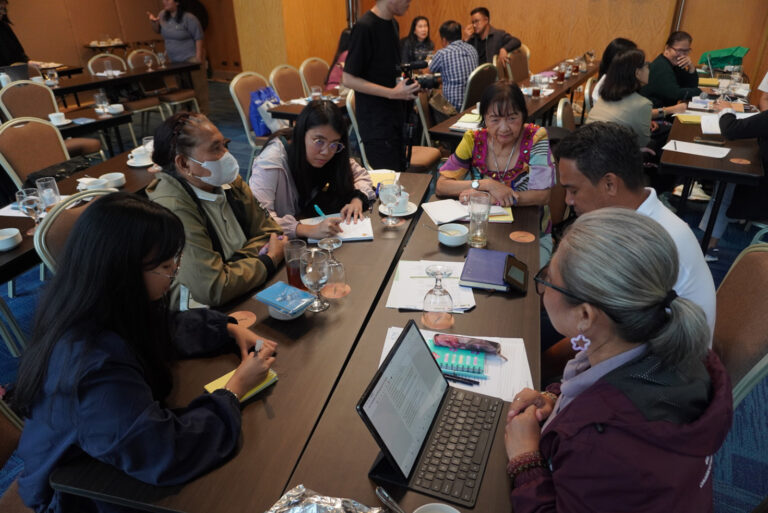
Over 40 civil society organizations (CSOs) across Luzon and Visayas have been equipped with vital security and threat-monitoring mechanisms following the successful rollout of regional capacity-building workshops under Project SHIFT.
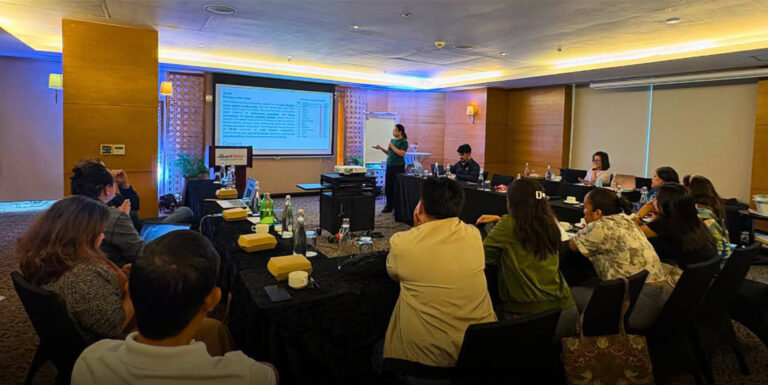
CENVISNET charts a shared path toward vibrant, resilient civil society in Central Visayas
On October 22–23, Central Visayas Network of NGOs and its member networks came together for a strategic planning workshop to assess emerging challenges, align priorities, and strengthen collaboration among provincial CSO networks.
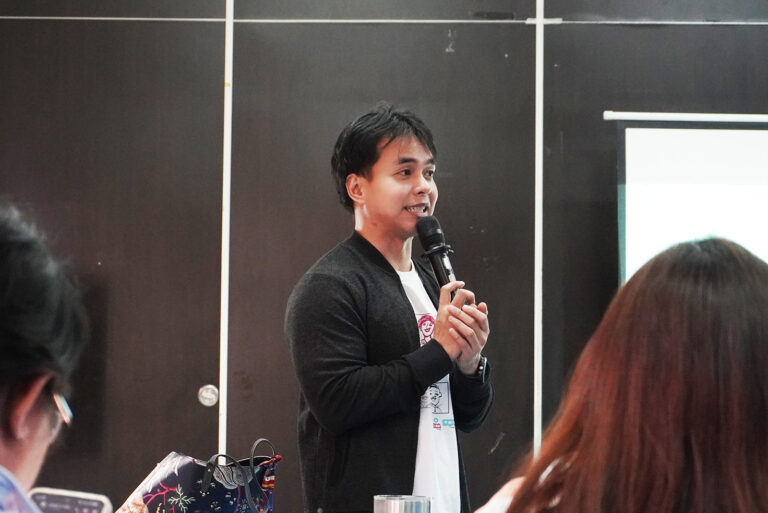
Civil society groups unite against repressive bills, call to reclaim civic space
On October 15, civil society groups gathered at the Commission on Human Rights for a roundtable discussion entitled “Asserting People’s Rights Amid Impunity and Closing of Civic Space.”
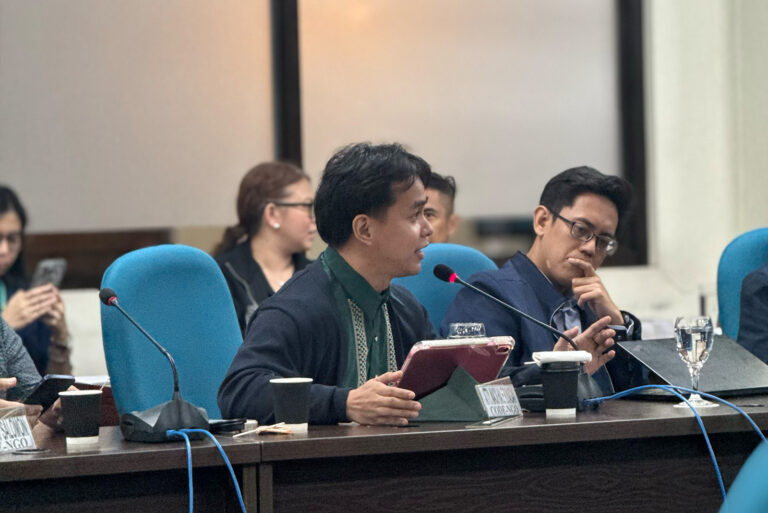
Beyond livestreams: CODE-NGO pushes for physical CSO access in House, Senate, and Bicam budget hearings
On October 7, CODE-NGO participated in the House Committee on People’s Participation hearing on the institutionalization of civil society participation in the national budgeting process. The hearing was led by its chairperson, Rep. Maria Angela S. Garcia.
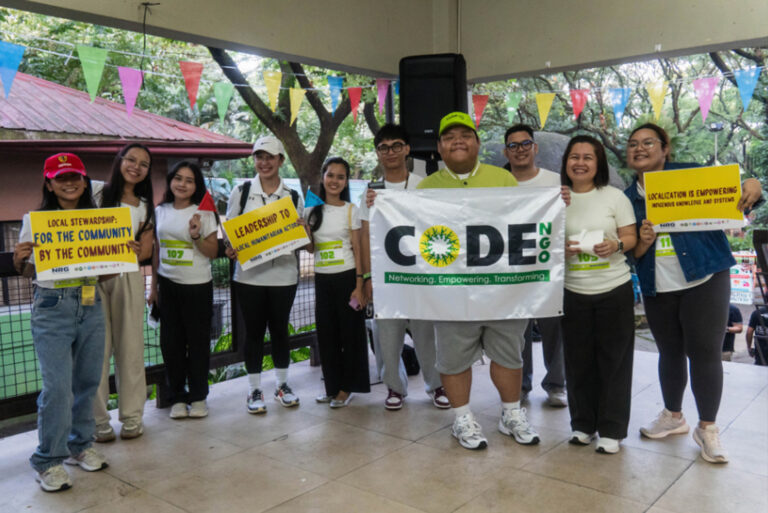
Making sure our commitments aren’t just promises on paper—they’re action on the ground
As a core member of the National Reference Group (NRG) Philippines, CODE-NGO proudly joined civil society leaders, humanitarian actors, and development partners at the Walk Our Talk: From Commitments to Realization of Localization of Humanitarian Action Beyond 2026, last September 27
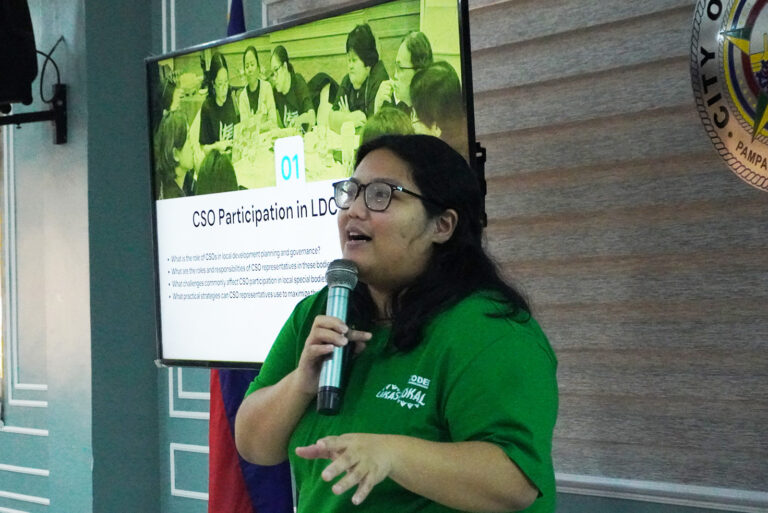
CODE-NGO empowers locals on rights-based governance at San Fernando CSO Forum
On September 17, representatives from 19 local groups gathered for the CSO Forum of the City of San Fernando–Human Rights Action Team to strengthen citizen participation in local governance.
Features
Remembering Leaders of CODE-NGO
CODE-NGO paid tribute to its former leaders who have passed on in recent years. With unwavering tenacity, they helped shape CODE-NGO to the coalition that it is today. Karina Constantino-David was the Chairperson of CODE-NGO from 1990-1998. Karina was also a great and respected leader in the academe, government, and civil society. In 1980, Karina drew a “map” of the Philippine NGO terrain, categorizing NGOs into three basic types: non-government individuals, membership-based organizations, and institutions. She was professor and head of University of the Philippines-Diliman’s Department of Community Development. After serving the government for over three decades – as Department
Marissa Camacho: Rest Now In God’s Peace
“If you’re just alone (not a member of any network), you only know your own program, the people you are working with and the areas you are operating in. But if you’re part of a network, you get to know other organizations and what they are doing, the issues they are working on and learn from their experiences. You also get exposed to the broader development community including donors. It can lead to partnerships with other organizations leading to synergies of efforts. Members of networks are also introduced to national issues which are not necessarily their issues, contributing to better
Dagyaw 2020 Opens Safe Space and Dialogue for the Public
CODE-NGO and its members are taking an active part in the Dagyaw 2020. Since 2018, the Participatory Governance Cluster of the Cabinet (PGC) has been spearheading annual regional town hall meetings attended by people from both the government and non-government sector. In 2019, by virtue of PGC Resolution No. 02-S2019, these town hall meetings were re-launched as Dagyaw: Open Government and Participatory Governance Regional Town Hall Meetings. Dagyaw is a Hiligaynon term for “Bayanihan,” which highlights the concept of togetherness. Dagyaw fully captures the very nature and value proposition of town hall meetings where government offices, non-government organizations, businesses, and
Press Release
CODE-NGO Statement on Charter Change in the Time of the Pandemic: No TO CHA-CHA now, yes to Effective Health System and Economic Recovery!
The Caucus of Development NGO Networks (CODE-NGO) firmly opposes the move to amend the 1987 Philippine Constitution at this time when Filipinos are facing one of the most challenging health and economic crises in recent history. Charter Change (Cha-Cha) now only exacerbates the abject conditions of the majority of our people and will not make us safer and healthier. Many pressing issues relative to COVID 19 have not been effectively and efficiently addressed after a year of grappling with the pandemic, such as the access of vaccines and their roll-out to targeted recipients. This should be addressed first and needs
CODE-NGO Statement on COVID-19 Response
CODE-NGO, with its 6 national and 6 regional networks representing more than 1,600 development NGOs, people’s organizations (POs) and cooperatives nationwide is in solidarity with our fellow Filipinos during this time of crisis. We recognize indeed that the COVID-19 pandemic creates an emergency situation and the enhanced community quarantine in the whole of Luzon and in parts of Visayas and Mindanao forces all of us to a new reality today. We value our member networks and their member organizations, the CSO community and the communities they serve, and so in this new normal we network, empower, and transform our society
Multimedia

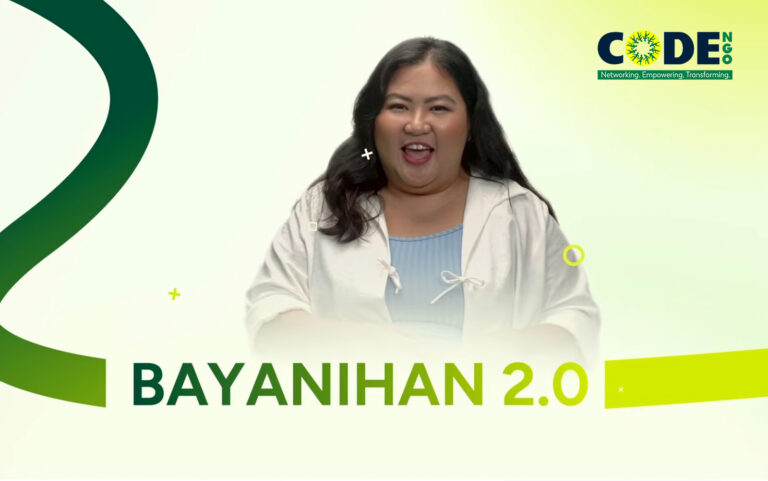
Bayanihan 2.0: CSO as Bantay, Katuwang and Boses | CODE-NGO Explainer
Bayanihan may have once meant carrying a house together, but it has since transformed to collective action towards addressing the needs of our communities and our nation. Discover “Bayanihan 2.0” and the role of Civil Society Organizations as the Katuwang, Bantay, at Boses of the Filipino people.
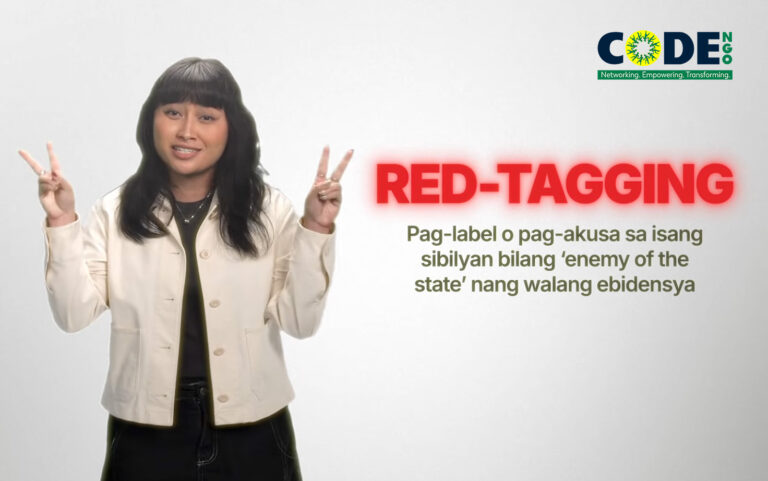
Gaano kadelikado ang red-tagging? | CODE-NGO Explainer
When speaking up on issues affecting our communities leads to being labeled as an enemy of the state, the line between advocate and combatant blurs.