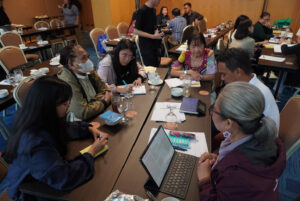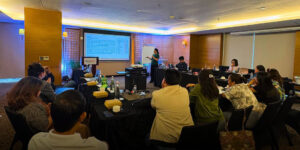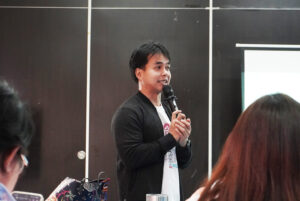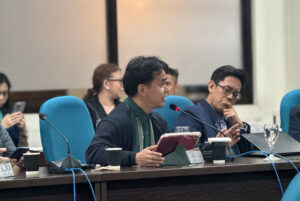
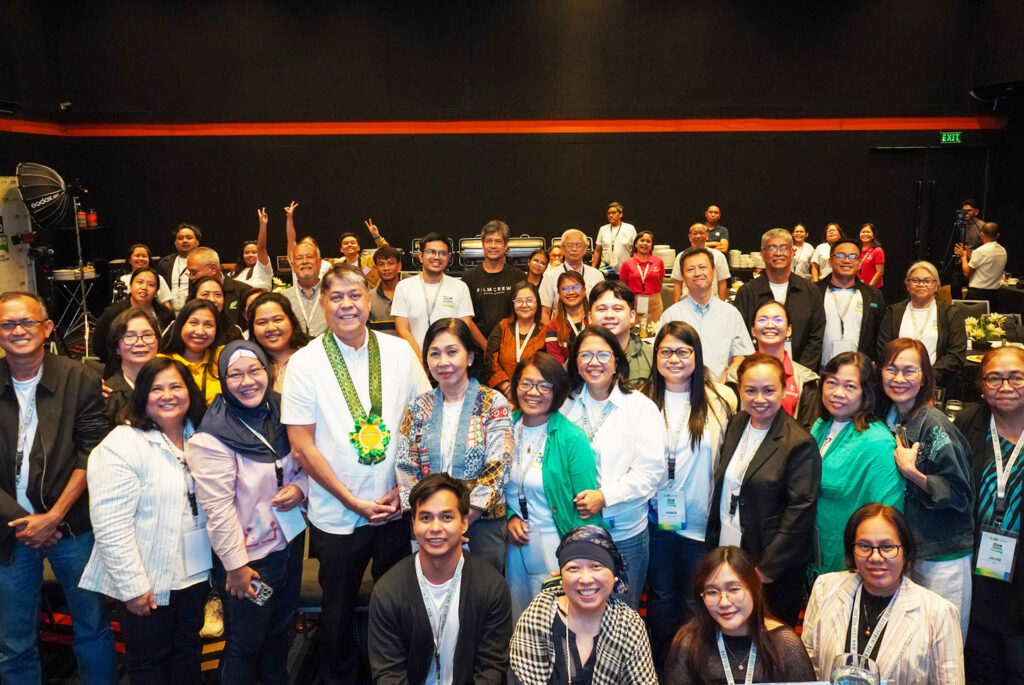
Civil society leaders, development workers, and partner organizations convened at the B Hotel, Quezon City on June 29–30, 2026, for the 35th General Assembly and Social Development Celebration of the Caucus of Development NGO Networks (CODE-NGO).
Anchored on the theme “Lakas Lokal 2.0: Tayo Mismo, Mamamayan ang Lakas ng Bayan,” the gathering urged grassroots organizations to advance from capacity building to decisive civic action amid mounting national economic strain and shrinking democratic space.
35th General Assembly: Transition and New Leadership
Opening the business proceedings, the network reflected on a defining year of internal strengthening, bold national advocacy, and strategic organizational renewal.
Despite complex socio-political shifts, evolving regulatory landscapes, and transitions within its Secretariat, the coalition affirmed that it refused to be a mere spectator, actively shaping the democratic narrative of the nation from legislative halls to grassroots communities.
During the election of officers, Ms. Caroline Ubalde of the Philippine Partnership for the Development of Human Resources in Rural Areas (PhilDHRRA) was elected as the new Chairperson of CODE-NGO, succeeding outgoing leader Aurora R. Chavez.
Elvin Ivan Y. Uy of the Philippine Business for Social Progress (PBSP) assumed the post of Treasurer, taking over from outgoing officer Agnes S. Bolaños.
The assembly also nominated new members of the Board of Trustees, welcoming Melany Vargas of the Coalition for Bicol Development (CBD), Marc Rovira of the Mindanao Coalition of Development NGO Networks (MINCODE), and Atty. Jeffrey Melo of the National Confederation of Cooperatives (NATCCO).
Social Development Celebration: Public Action and Dialogue
The public celebration commenced with high-level solidarity messages featuring guest speakers Senator Risa Hontiveros and Senator Kiko Pangilinan, alongside a keynote address from Baguio City Mayor Benjamin Magalong.
“Transparency, participatory budgeting, open procurement, citizen monetary, and accountability mechanisms are not just good government practices–they are safeguards that protect public trust,” Mayor Magalong stressed.
Highlighting anti-corruption imperatives, former Commission on Audit Commissioner Heidi Mendoza warned that digital governance systems cannot replace basic compliance across planning, procurement, and auditing.
“Technological advancements cannot compensate for the absence of basic compliance and sound governance practices,” Mendoza stated, cautioning that unchecked noncompliance normalizes corruption.
Addressing state pressures against civic spaces, former Congresswoman Liza Maza of the Council for People’s Development and Governance challenged delegates to mount collective resistance, asking, “Paano tayo tutugon sa atake?”.
In the dialogue on financial sustainability, Association of Foundations Executive Director Oman Jiao reminded non-profit groups that lasting resilience relies on organizational credibility, asking, “Can we genuinely put people at the center of what we do?”.
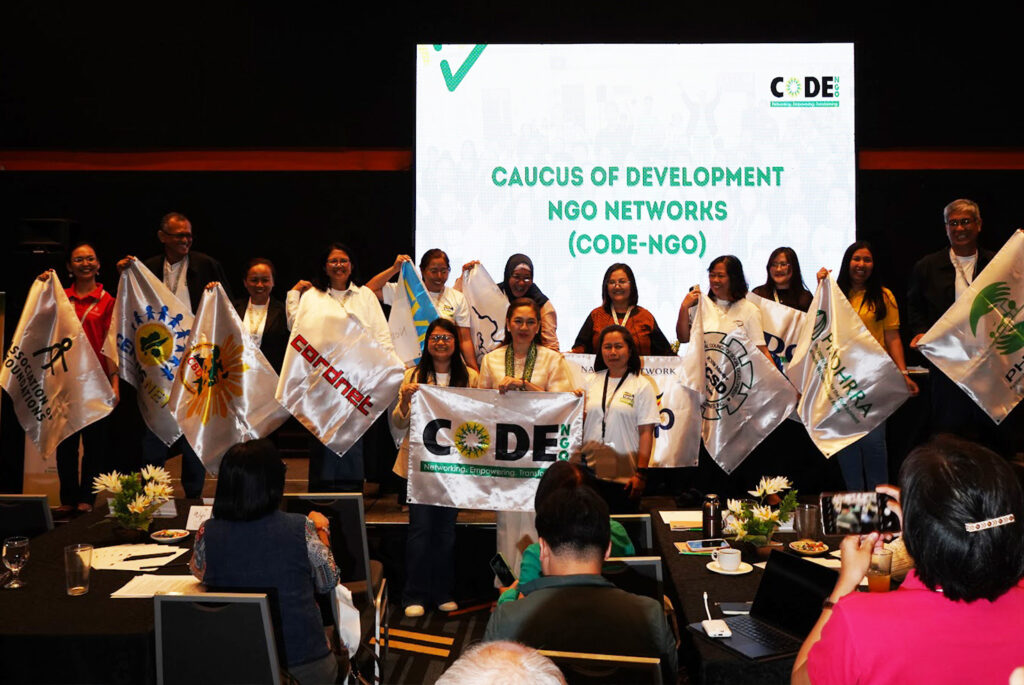
The two-day gathering culminated in the reading and ceremonial signing of the “Mamamayan ang Lakas ng Bayan” solidarity declaration led by Executive Director Atty. Doris Ramirez.
Through the declaration, member networks formally committed to defending human rights, demanding transparent public spending, and empowering local communities to lead national development efforts.
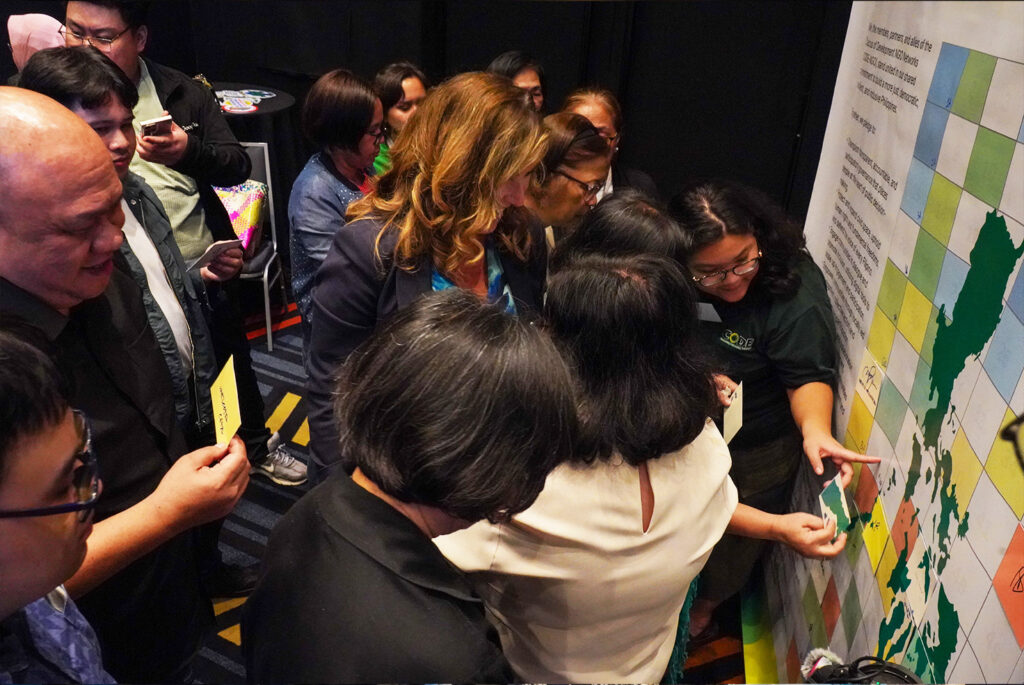
The two-day gathering culminated in the reading and ceremonial signing of the “Mamamayan ang Lakas ng Bayan” solidarity declaration led by Executive Director Atty. Doris Ramirez.
Through the declaration, member networks formally committed to defending human rights, demanding transparent public spending, and empowering local communities to lead national development efforts.